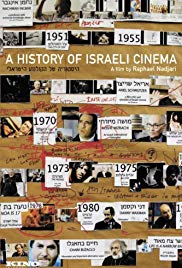
According to filmmaker Raphael Nadjari, Israeli cinema has gone through two stages. The first, 1933-1978, began with the nature of Zionism and exaltation of the Israeli endeavor in Palestine and ended in a more personal study of the Ashkenazi psyche. The second stage, 1978-2005, was defined by a greater diversity of topics as filmmakers tackled everything from the Israeli-Palestinian conflict to the contradictions of modern life. A History of Israeli Cinema tells the story of the building of a gaze on a society torn by ethnics, religious, and political conflicts. It attempts to understand, to denounce, and to explore these complex subjects, always searching for the right ethic, the right form. A History of Israeli Cinema is the result of years of research, studies, documentation, screening, and interviews. Actors, thinkers, producers, filmmakers, professors, and critics worked to build a narrative that remains fragile and incomplete. It is the process rather than the result that is shared here.
Watch Part 2 here.
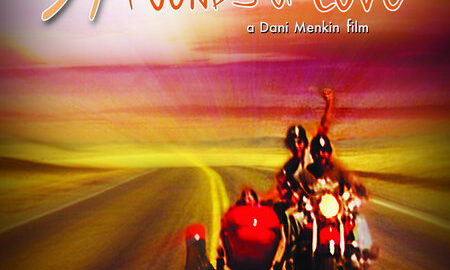
The inspirational and humorous non-fiction account of a remarkable man and his remarkable life. Ami Ankilewitz was diagnosed with an extremely rare and often fatal form of spinal muscular atrophy (type 2) that severely limits physical growth and movement. Yet at thirty-four years of age, he continues to outlive a doctor’s prediction of life expectancy by twenty-eight years…and counting. Ami, who weighs only thirty-nine pounds, works in Israel as a 3D animator and creates his art despite the fact that his bodily motion is limited to a single finger on his left hand. In doing so, he continues to redefine notions of a “limited” life. The film follows Ami’s journey in search of the doctor who predicted his early demise. Along the way, Ami attempts to come to terms with another major incident from his past and to complete a lifelong dream: to ride a Harley-Davidson across America.
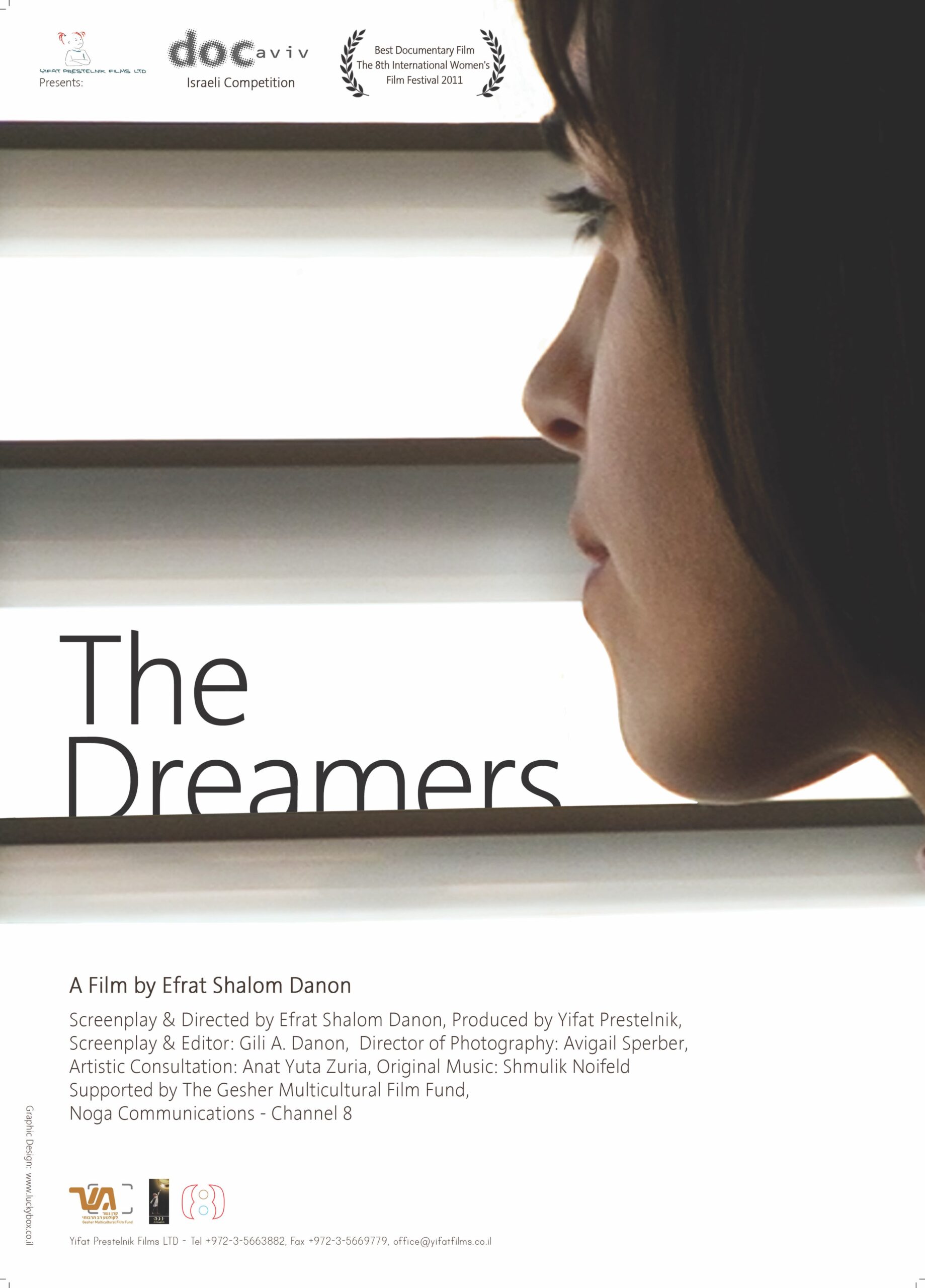
Ultra-Orthodox Jewish teacher Ruchama and wigmaker Tikva embark on a journey to fulfill their dream of making movies within the closed society in which they live. Ruchama is writing and producing her first film while Tikva prepares for her first acting role. Like other orthodox women who in recent years have started making films for strictly female audiences, they feel a strong need to express themselves despite strict rabbinical censorship. Will they find freedom in their art? The Dreamers delicately sketches the portrait of women trying to break new ground as artists in a patriarchal world.
This documentary examines the 100-year history of Israel’s kibbutz movement, recreating its glorious past and chronicling its recent decline. The kibbutz movement was a successful experiment in pure communism, but can it keep going? Can it get through the trails of being radically socialist in a capitalist world? The film focuses on the heartbreak and hope of the modern kibbutz as a new generation struggles to ensure its survival.
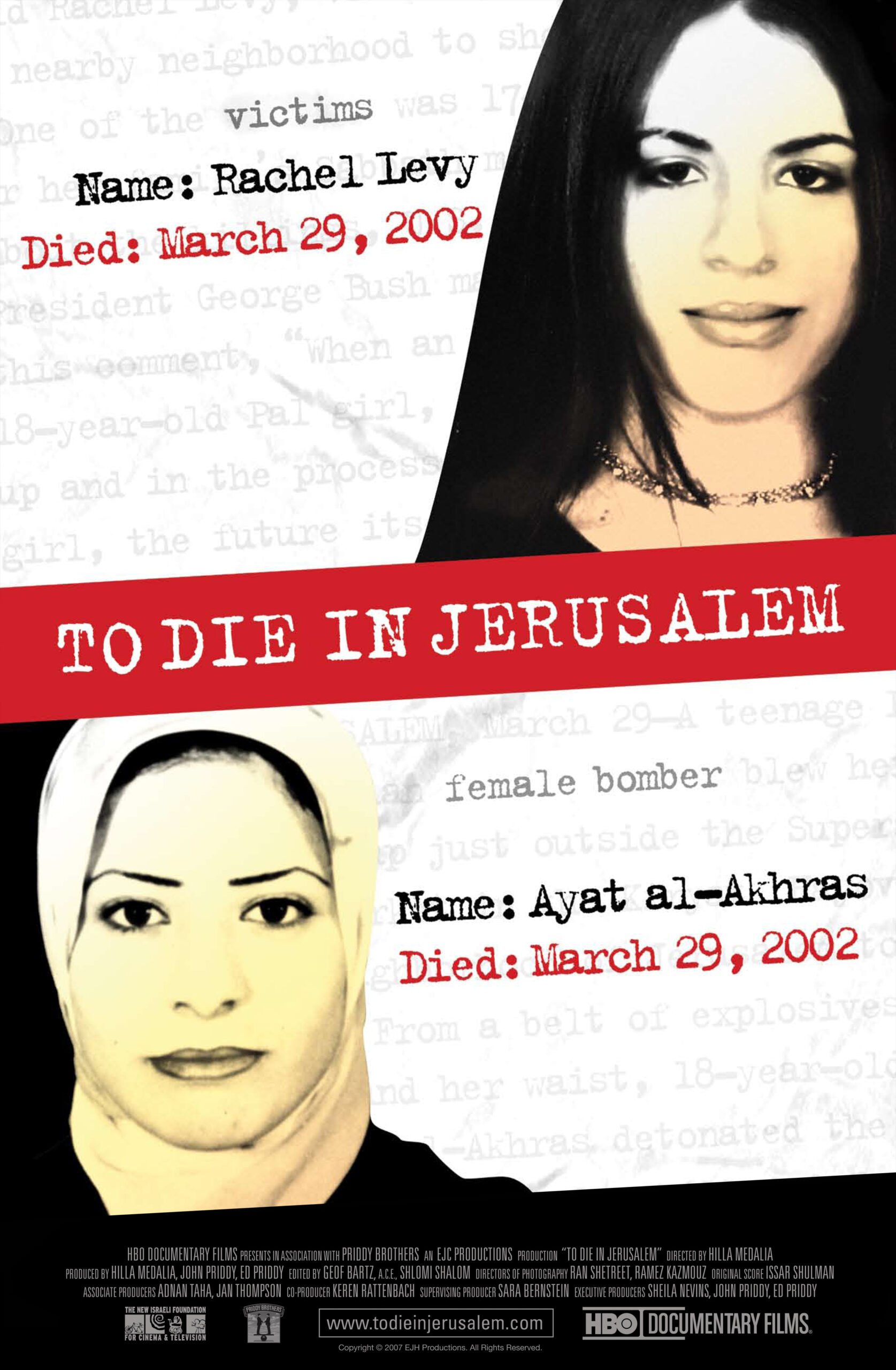
Ever since seventeen-year-old Rachel Levy, an Israeli, was killed years ago in Jerusalem by a Palestinian suicide bomber, her mother Abigail has never found peace. Levy’s killer was Ayat al-Akhras, also seventeen, a schoolgirl from a Palestinian refugee camp several miles away. The two young women looked unbelievably alike. To Die In Jerusalem unabashedly explores the Palestinian-Israeli conflict through the personal loss of two families, culminating in an emotionally charged meeting between the mothers of the girls–reflecting the conflict as seen through their eyes. But some emotional chasms are too large to cross.
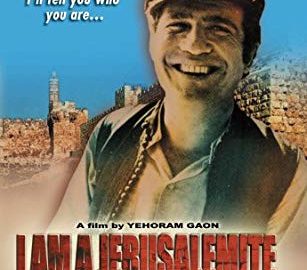
Yehoram Gaon celebrates his hometown of Jerusalem through travelouges, history and poetic hymns. This film was produced during the post-Six Day period when the city of Jerusalem and its people were united with one another. It is a musical love-letter to the city and the people of Jerusalem, filled with dramatic sequences and colorful names and synonyms of the city.
The Israeli representatives at the 2009 Eurovision Song Contest are NOA, who is considered one of the most famous Israeli singers in the world today, and Mira Awad, an Arab-Israeli singer. But their partnership sparks controversy given the timing: soon after Israel’s Gaza operation. After performing in front of the pope, Noa has no need for the Eurovision contest, and instead is using the opportunity to make a political statement, by singing side by side with Mira. Despite resistance and backlash, the two unite on shared humanitarian goals.
A Badal marriage is when a brother and sister from one family marry a sister and brother from another family, interlocking the two couples forever. If one of these couples divorces, the other must as well. This is common practice in Muslim families in the Middle East.
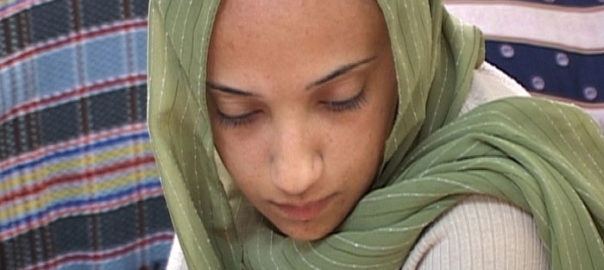
The director’s aunt, Um Waji, married off her 10 sons and daughters in Badal deals. Now Um Waji is looking for a Badal arrangement for her eldest son Waji, a widower, and his 21-year-old daughter Miada, an unusual arrangement. Through the story of the girls in Um Waji’s courtyard, the film examines a cycle of oppression exercised by women against women. It also portrays the lives of Palestinian women living within Israel and their struggle to be a part of their traditional society, while they strive to maintain their full rights as women and citizens of a Jewish state.
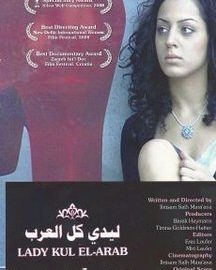
Achieving a dream shared by many teenagers the world over could cost a lot for Duah Fares. Lady Kul el-Arab by Ibtisam Mara’ana follows the outraged reaction within the Arab Israeli community when this young girl from a small Druze village in the Galilee region decides to compete in the Miss Israel contest. Duah, who changes her name to Angelina, passes through the first parts of the competition with flying colors. But soon her family finds itself caught between different cultures and under threat from people who see things differently.
The decision to stay or to go reveals the deep contradictions of Arab life in Israel. “On Hold” explores the hesitations and moral issues affecting the filmmaker and her partner’s decision to leave Israel for a better life in Spain. Enlisting the help of her Muslim family, her partner’s Christian family, and their Arab and Jewish friends, the couple sorts through difficult questions pertaining to Arab life in Israel. Weighing their desire to relocate to a more tolerant country against their perceived burden of responsibility to stay and fight for a better life in Israel, the couple feels itself caught in a common dilemma of mixed allegiances and hybrid identities.