Two girls meet online. Samar, 12, has an Arab Israeli mother and a Palestinian father from the Occupied Territories. She lives in Lod, a mixed city marred by poverty and crime. Linor, 11, was born in Gush Katif in the Gaza Strip but now lives in Tlamim, a religious settlement in the Lachish region. Only 67 km separate Lod and Tlamim, but the girls are also separated by a vast national, cultural and ideological abyss. As participants in a program combining education and technology, their relationship starts from online correspondence. Meeting face-to-face adds an exciting, tense and often surprising component to the two girls’ lives, sweeping them and their families into a profound and complex experience.
The story of the 1977 Maccabi Tel-Aviv basketball team through meetings almost 40 years later with the main characters in the story of their miracle win, while recounting the history of the country in a watershed of the State of Israel.
From his humble origins in Whitechapel, the eccentric and ambitious 19th century lawyer Herbert Bentwich set out to establish an aristocratic Jewish dynasty. In this brilliantly wry documentary, Bentwich’s great-grandson Gur discovers the truth about his much-maligned and enigmatic family, which, according to its founders, served as God’s gift to Zionism and enlightened Judaism. Along the way, he uncovers a remarkable story, funny, implausible and sometimes tragic, of fervent Zionists, inspired artists, and outrageously determined rebels.
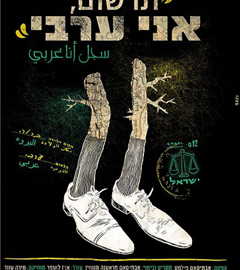
A look back at that old Friday afternoon ritual, when Israeli families of all backgrounds would watch the Arab movie of the week. Arabic Movie takes us back to that fleeting moment when Israelis shared the same cultural heroes as everyone else in the Middle East, even as it raises disturbing questions about the relationship of Israelis with their neighbors across the border.
What makes a hero? What compels someone to maintain their integrity, go against the grain and fight for what is just? Award-winning director Yoav Shamir sets out on an entertaining and insightful international quest, exploring the notion of heroism through a multi-faceted lens. From ordinary heroes to freesom fighters, primates to humans, behavioral scientists to geneticists, even Ayn Rand to Raelians, Shamir leaves no stone unturned, and along the way unveils the fundamental truths of human nature.
An intimate portrait of poet and national myth Mahmoud Darwish, from an unexpected perspective: the women who influenced his work. Intensive research into the poetry of Darwish, archival materials and personal interviews unearth the story behind the man who became the mouthpiece of the Palestinian people.
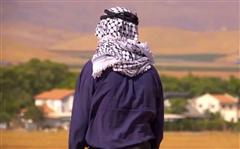
The film looks at the lives and stories of Palestinian farmers living in the fertile region of the Jordan Valley. Their grazing lands have been declared military firing zones, their water wells have been sealed, and water pumps transferring the water to the Jewish settlers in the Valley have been built in their place. Some farmers have given up their farming efforts and moved to cities in the West Bank, while other have been forced to work as day laborers in the very settlements that have appropriated their lands. Those who refuse to leave their lands have remained with no possible means of survival. In this beautiful film we are exposed to a story previously hidden from the eye.
Like in many other parts of the world, 15% of adolescents in Israel are considered at risk. We follow the challenging process of healing of three struggling adolescents at the “Garden of Eden,” a rehabilitative farm for young religious girls. The farm is an oasis providing a home for girls who have been rejected by their families and communities.
“On the Left” is a 4 chapters’ documentary series that tells the story of the Israeli left (Zionist and non-Zionist, Marxist and non-Marxist), from the founding of the state of Israel in 1948 until present time. The series investigates, among other things, how Israel evolved from a nation that at least rhetorically was built from a leftist majority into a proud right wing majority nation and how the compliment “Leftist” turned into a curse word. The narrative of the series is chronological, while it conveys the changes, upheavals, and dramatic turn points along the years.
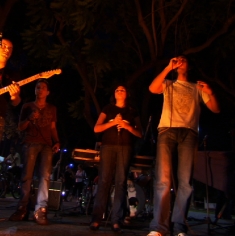
On the edge of Israel’s Negev Desert, half a mile from Gaza, and directly in the path of thousands of Hamas rockets lies Sderot, a city of factory workers and rock musicians – the children of refugees from North Africa and the Middle East who grew up in a transit camp. Despite being pummeled for years by homemade missiles known as Qassams, the people of Sderot persevere. In raucous Moroccan celebrations, they embrace newcomers. In quiet family dinners, they voice their dreams. And in underground bomb shelters, they create music – a unique Sderot sound that has transformed Israeli music by injecting Middle Eastern influences into traditional Western beats.