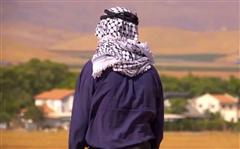
The film looks at the lives and stories of Palestinian farmers living in the fertile region of the Jordan Valley. Their grazing lands have been declared military firing zones, their water wells have been sealed, and water pumps transferring the water to the Jewish settlers in the Valley have been built in their place. Some farmers have given up their farming efforts and moved to cities in the West Bank, while other have been forced to work as day laborers in the very settlements that have appropriated their lands. Those who refuse to leave their lands have remained with no possible means of survival. In this beautiful film we are exposed to a story previously hidden from the eye.
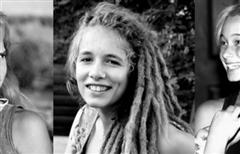
Like in many other parts of the world, 15% of adolescents in Israel are considered at risk. We follow the challenging process of healing of three struggling adolescents at the “Garden of Eden,” a rehabilitative farm for young religious girls. The farm is an oasis providing a home for girls who have been rejected by their families and communities.
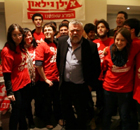
“On the Left” is a 4 chapters’ documentary series that tells the story of the Israeli left (Zionist and non-Zionist, Marxist and non-Marxist), from the founding of the state of Israel in 1948 until present time. The series investigates, among other things, how Israel evolved from a nation that at least rhetorically was built from a leftist majority into a proud right wing majority nation and how the compliment “Leftist” turned into a curse word. The narrative of the series is chronological, while it conveys the changes, upheavals, and dramatic turn points along the years.
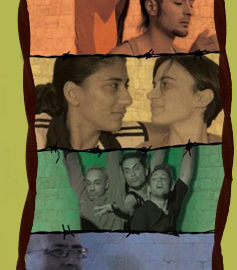
This excellent documentary follows the lives of five different and totally diverse gay men and women in Israel whose common link is the fact that they all hang out in Shushan, Jerusalem’s only gay bar.
A young Palestinian woman from east Jerusalem goes to live with her aunts in Ramallah. The film focuses around the aunts: three, unmarried women in their sixties, part of the city’s Christian bourgeoisie, whose lives came to a standstill on the even of the ’67 war.
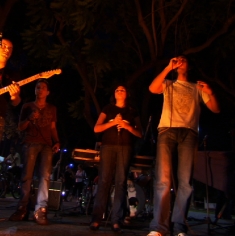
On the edge of Israel’s Negev Desert, half a mile from Gaza, and directly in the path of thousands of Hamas rockets lies Sderot, a city of factory workers and rock musicians – the children of refugees from North Africa and the Middle East who grew up in a transit camp. Despite being pummeled for years by homemade missiles known as Qassams, the people of Sderot persevere. In raucous Moroccan celebrations, they embrace newcomers. In quiet family dinners, they voice their dreams. And in underground bomb shelters, they create music – a unique Sderot sound that has transformed Israeli music by injecting Middle Eastern influences into traditional Western beats.
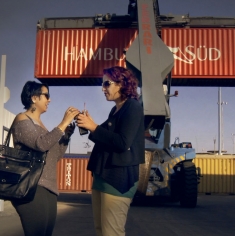
Two women, an Israeli and a Palestinian, are trying to build a business partnership. Brought together by a shared business acumen and knowledge of the logistics industry, the two combine forces to help Palestinian businessmen navigate the everyday absurdities of Israeli control of the West Bank. But while they help their clients to overcome the obstacles of bureaucracy, who will help them overcome their own disputes?
The 1967 ‘Six-Day’ war ended with Israel’s decisive victory; conquering Jerusalem, Gaza, Sinai and the West Bank. It is a war portrayed, to this day, as a righteous undertaking – a radiant emblem of Jewish pride. One week after the war, a group of young kibbutzniks, led by renowned author Amos Oz, recorded intimate conversations with soldiers returning from the battlefield. The recording revealed an honest look at the moment Israel turned from David to Goliath. The Israeli army censored the recordings, allowing the kibbutzniks to publish only a fragment of the conversations. ‘Censored Voices’ reveals the original recordings for the first time.
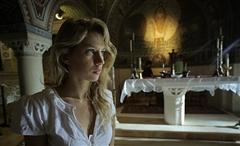
Two American girls on vacation follow a mysterious and handsome anthropology student on a trip to Jerusalem. They are walking around the Old City, visiting the holy sites and having a great time. The party is cut short when the trio is caught in the middle of a biblical apocalypse. Trapped between the ancient walls of the holy city, the three travelers must survive long enough to find a way out as the fury of hell is unleashed upon them.
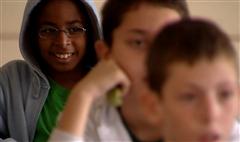
Twelve-year-old Mussa doesn’t speak, and no knows why. As African refugees, he and his parents have been living in Tel Aviv’s worst neighborhood for the past six years. In a strange stroke of luck, however, he is bussed to an uptown school every day. Leaving behind addicts and prostitutes each morning, he silently navigates to within an upscale world, befriending privileged kids with gestures, reading and writing in Hebrew, and making a considerable bond with his teacher Anna. Trying to fit in, he wordlessly connects with his classmates and friends, and bravely witnesses the random deportation of fellow African students. Little solace is found at home as his largely absent parents work during all hours, leaving him even more alone with his voiceless thoughts. When a series of unexpected crises hit, Mussa’s precarious place between two separate worlds is heartbreakingly revealed through this look at the human cost of immigration policy.